

LEER Roof Racks & Bars | Durable Truck Cap Roof Systems
Our LEER crossbar roof rack system transforms your truck cap into a versatile hauling platform. Designed specifically for LEER cap models, these aluminum crossbars mount directly to factory-installed side rails, creating 150 pounds of distributed load capacity across the cap roof.
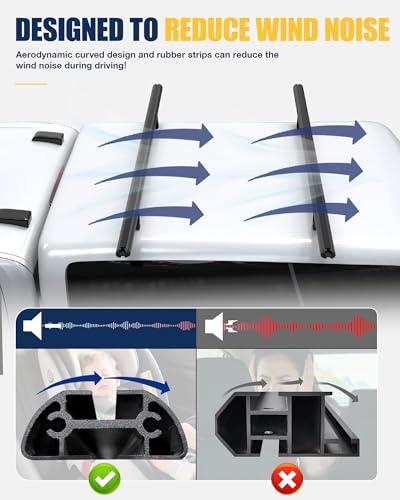
Whether you're transporting kayaks, lumber, or rooftop cargo boxes, the aerodynamic bar profile minimizes wind noise while maintaining structural integrity. The anodized aluminum construction resists corrosion from road salt and coastal environments, and the adjustable crossbar spacing accommodates loads from 36 to 58 inches wide. We engineer every rack system for specific LEER cap models, ensuring proper weight distribution and mounting compatibility.
Mounting & Load Specifications
Installation & Mounting Requirements
The LEER roof rack mounts to pre-installed side rails on your truck cap using a clamp-style bracket system. Most LEER caps manufactured after 2015 include factory side rail channels molded into the roof structure, eliminating the need for aftermarket drilling or adhesive mounting.
Installation takes approximately 45 minutes with basic hand tools. Position the crossbars according to your load length, tighten the mounting clamps to 18 ft-lbs torque specification, and verify bar alignment using the included measurement template. The clamp design allows you to reposition bars seasonally without removing the entire system.
Compatibility Across LEER Cap Models
Our crossbar systems fit the entire LEER commercial and recreational cap lineup. The 100XQ, 100XR, and 180 series caps use identical side rail profiles, allowing the same rack to transfer between models if you upgrade your cap.
The 122 series requires a low-profile crossbar variant due to reduced roof clearance, while the DCC series accommodates standard bars with an optional riser kit. Before ordering, verify your cap model number on the certification label inside the rear door jamb.
Materials & Weather Resistance
We extrude each crossbar from 6061-T6 aluminum alloy, then anodize the surface to military specification standards. This process creates a protective oxide layer that withstands road salt, UV exposure, and temperature extremes from -40°F to 160°F without degradation.
The mounting clamps use stainless steel bolts with nylon-insert lock nuts to prevent loosening from vibration. Rubber pads on the clamp faces protect your cap’s gel coat finish and dampen road noise transmission. After five years of outdoor exposure, the anodized finish typically shows minimal oxidation or pitting.
Complete Your LEER Truck Cap Setup


Rated 4.8 by verified buyers


Common Questions About LEER Roof Rack Systems
The standard crossbar system fits LEER 100XQ, 100XR, and 180 series caps manufactured after 2015 with factory side rails. The 122 series requires low-profile crossbars due to reduced roof height, and DCC series caps need an optional riser kit.
Check the certification label inside your cap's rear door jamb for the exact model number. If your cap lacks factory side rails, you'll need to install the LEER Side Rail Kit before mounting crossbars.
The crossbar system supports 150 pounds of evenly distributed cargo across both bars. This capacity includes the weight of any accessories like cargo boxes or bike carriers.
For loads exceeding 100 pounds, install a third crossbar at the center mounting position to improve weight distribution. Always secure cargo with rated tie-down straps and concentrate weight toward the center of each bar rather than the outer edges.
Most truck owners complete installation in 45 minutes using basic hand tools. The package includes a measurement template, mounting clamps, and detailed instructions.
You'll position the crossbars on the factory side rails, tighten the clamp bolts to 18 ft-lbs torque specification, and verify alignment. No drilling or modifications to your cap are required. If you're uncomfortable with the torque specifications, any truck accessory shop can complete installation in under an hour.
The T-slot system accepts accessories from Yakima, Thule, and Rhino Rack without adapters. This includes bike trays, ski carriers, cargo boxes, kayak cradles, and surfboard racks.
The anodized aluminum surface prevents galvanic corrosion when mounting stainless steel or powder-coated accessories. Most manufacturers provide T-slot installation hardware with their products, but you can also purchase universal T-slot bolts if needed.
Unloaded crossbars typically reduce fuel economy by 2-3% at highway speeds due to increased wind resistance. This impact increases to 8-12% with large cargo boxes mounted.
The aerodynamic bar profile minimizes wind noise, though you may notice slight whistling above 65 mph depending on accessory configuration. Adding a windscreen fairing reduces both noise and drag. Remove the crossbars during extended periods of non-use to eliminate these effects.
Inspect mounting clamps every six months and re-torque bolts to 18 ft-lbs if needed. Clean crossbars with automotive soap and water, avoiding abrasive cleaners that damage the anodized finish.
Check T-slot channels annually for debris that might prevent proper accessory seating, and verify rubber clamp pads remain intact to protect your cap's finish. The anodized aluminum requires no additional weatherproofing or rust prevention treatment.
The crossbar system transfers between LEER 100XQ, 100XR, and 180 series caps because these models use identical side rail profiles. If you upgrade from one of these models to another, simply unbolt the crossbars and reinstall them on your new cap.
Transferring to a 122 series requires different low-profile bars, and DCC series caps need riser kits. Keep your original mounting hardware and template for easier reinstallation.