


LEER Replacement Parts & Hardware | Official Truck Cap Components
Factory-spec locks and latch assemblies designed to restore secure operation to your LEER truck cap. Our replacement lock cylinders, paddle handles, and remote-release mechanisms match original equipment tolerances, ensuring smooth operation and consistent weather sealing. Every lock comes pre-keyed or can be keyed to match your existing truck lock set.
We stock handle assemblies for both side-access and rear-swing door configurations, plus universal strikers and cam latches for panels that have loosened over time. Each component is tested to withstand daily cycling and extreme temperature swings without corroding or binding.
What's Included in Our LEER Parts Catalog
OEM-Quality Components for Long-Term Reliability
Every replacement part we stock is manufactured to LEER’s original specifications, using the same materials and tolerances found in factory caps. Our lock cylinders use brass tumblers that resist corrosion in coastal and winter climates, while our tempered glass meets the same DOT safety standards required for new vehicle installation.
We source bulb seals and weatherstripping from LEER’s approved suppliers, ensuring the same EPDM rubber compound that delivers years of UV resistance and elastic memory. When you install our hardware, you’re restoring your cap to day-one performance—not settling for aftermarket approximations that loosen or leak within a season.
Installation & Compatibility Across LEER Models
Our parts catalog is indexed by LEER model number and production year, so you can identify the correct lock, glass, or seal for your specific cap. Most components install with basic hand tools—Phillips screwdriver, 10mm socket, and a rubber mallet for glass seal insertion.
Window & Door Hardware
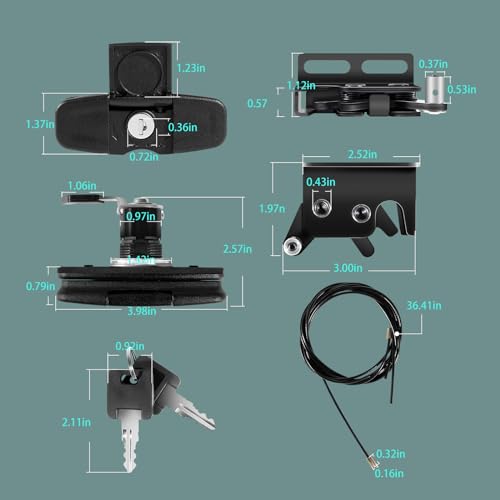
Latch assemblies for the 100XR and 180 series use a cable-actuated mechanism that syncs with your truck’s tailgate lock. We include pre-measured cables and routing clips in every kit, so you can achieve factory fit without cutting or splicing. LEER locks and hardware for side-access doors arrive with templates that mark drill points for handle placement, ensuring your new paddle or T-handle aligns with the existing striker.
Maintenance & Service Intervals
We recommend inspecting weatherstripping and latch mechanisms every six months, especially if you drive in regions with freeze-thaw cycles or high humidity. Bulb seals naturally compress over time; replacing them every 3-4 years maintains a watertight seal and prevents wind noise at highway speed.
Lock cylinders benefit from a quarterly application of graphite powder—never oil-based lubricants, which attract dust and gum up tumblers in dry climates. If your paddle handle feels stiff, the issue is usually a kinked cable or a striker that’s drifted out of alignment. Our striker plates include slotted mounting holes so you can fine-tune engagement without removing the entire assembly.
Essential Hardware & Accessories for LEER Caps


Rated 4.8 by verified buyers

Common Questions About LEER Cap Parts & Replacement Hardware
Check the data plate inside your cap's rear door frame—it lists the model number (100R, 100XR, 180, etc.) and production date. You can also measure your truck bed length and compare it to our fitment chart. If you're unsure, contact our parts team with your truck's year, make, and bed size, and we'll cross-reference the correct components.
Most hardware like locks and clamps are universal across multiple LEER models, but glass and carpet kits are model-specific. Always verify the part number before ordering custom-cut items.
Yes. Our lock cylinders can be rekeyed by any locksmith to match your existing truck key. If you order a complete lock set, specify your truck's key code in the order notes and we can pre-key the cylinders before shipping for an additional fee.
Most customers find it easier to have a locksmith rekey the new cylinders after delivery, which typically costs $15-25 per cylinder and takes about ten minutes per lock.
OEM parts are manufactured to LEER's original tolerances and material specifications, ensuring precise fit and long-term durability. Aftermarket locks may use softer metals that wear quickly, and aftermarket glass often lacks the correct tint level or DOT certification.
Bulb seals are a common weak point for aftermarket suppliers—generic extrusions rarely match the cross-section profile of LEER's original seals, leading to air leaks and water intrusion. We stock only factory-spec components that restore your cap to new condition.
Inspect bulb seals every six months for cracks, compression set, or delamination from the mounting channel. In most climates, EPDM seals last 3-5 years before they need replacement. If you notice wind noise above 45 mph or water stains along the bed rail after rain, it's time for new seals.
Tailgate seal bars should be checked annually and adjusted if the rear bulb seal isn't compressing fully when the tailgate closes. Replace the seal if adjustment doesn't eliminate leaks.
Yes, but you may need to adjust clamp spacing to account for the liner's thickness. Our universal clamp kits include spacers that accommodate bed liners up to 0.25 inches thick. For thicker liners like LINE-X or Rhino Linings, order extended-reach clamps that provide an additional 0.5 inches of clearance.
Make sure the bed liner is fully cured (typically 24-48 hours after spraying) before installing clamps to avoid deforming the coating.
Most LEER glass replacements are DIY-friendly if you're comfortable working with hand tools. Fixed glass presses into place after you seat the new bulb seal in the frame channel—no adhesive or special equipment required. Slider windows involve removing the old track, installing new rollers, and adjusting the lock tab, which takes about an hour.
Rear windows with third brake lights require disconnecting the electrical plug and routing the new gasket around the lamp housing. If you're not confident working with automotive wiring, a glass shop can handle the installation for $50-100 in labor.
A Phillips screwdriver, 10mm and 13mm sockets, and a rubber mallet cover most lock and latch installations. Paddle handle replacements may require a drill if you're relocating the handle position, but most jobs involve swapping the cylinder into the existing handle assembly.
For cable-actuated locks, you'll need wire cutters and zip ties to secure the new cable along the cap's internal routing channel. Installation guides included with each kit specify exact tool requirements and torque settings.